NO MORE TIN CANS
Maybe I should have titled this “The Old Greyhound, she ain’t what she used to be”.
Those of us who are old enough to remember when the Ford Thunderbird automobile first appeared know that it was a small two seater (2 passenger) built to compete against the Chevrolet Corvette. Like the Corvette it was a sports car by definition. At least it started out that way, but Ford didn’t stick to this as the T-bird ended up bloating into another Detroit barge … a large sedan quite ugly in my opinion.
Note: Remember that you can click on images in this blog and have them open up in their own window usually much larger in size so you can view them better. To return to this page just use your browser’s back button.
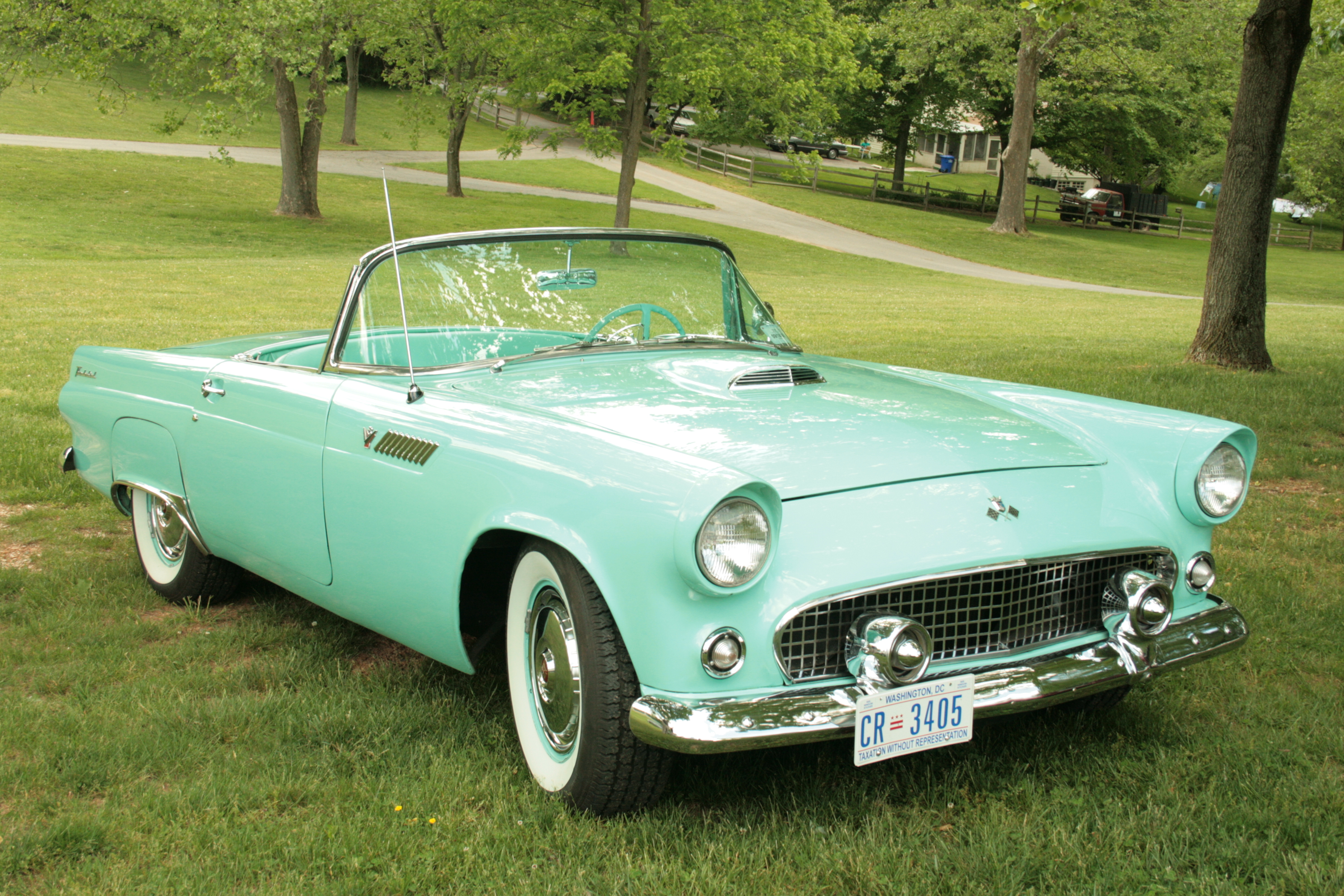

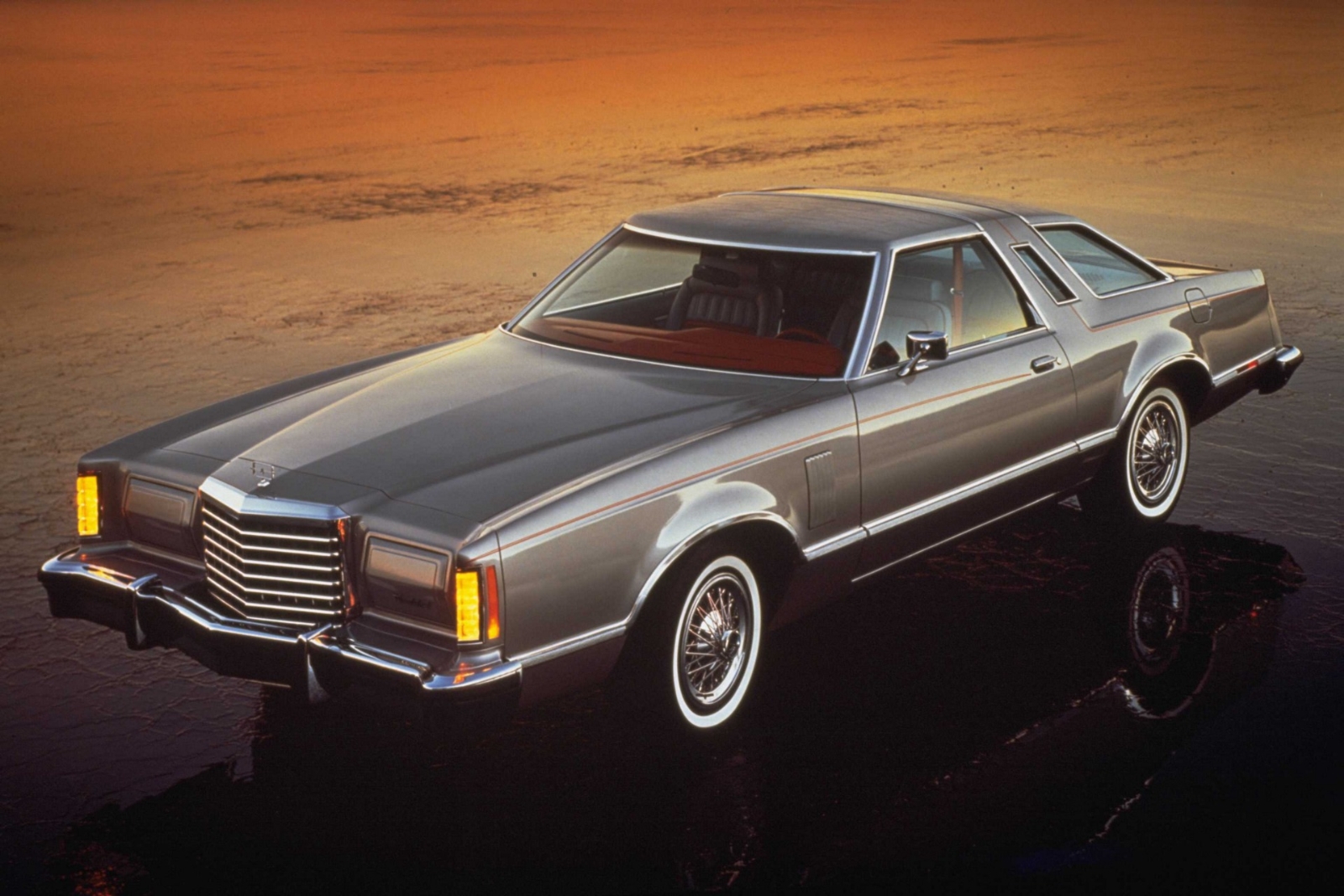
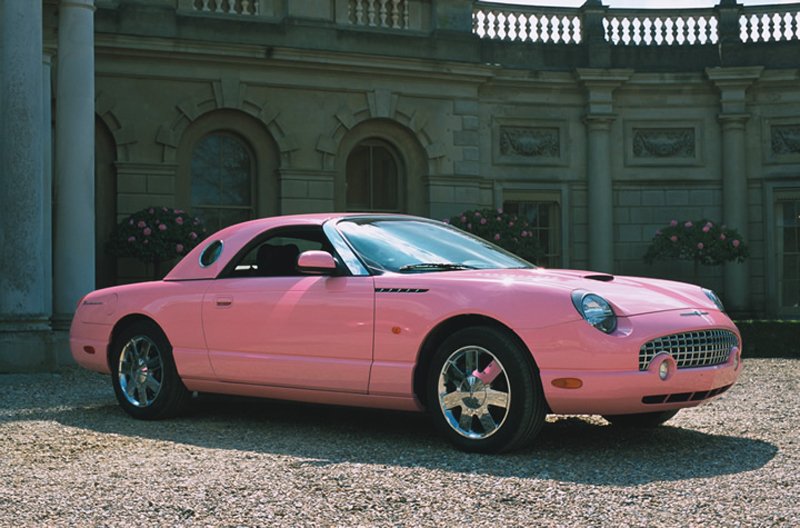
I never understood their thinking and personally I believe they really blew it. In recent years they did come back out with a small T-bird similar in looks to what they originally produced … kind of like what VW did with the “beetle”.
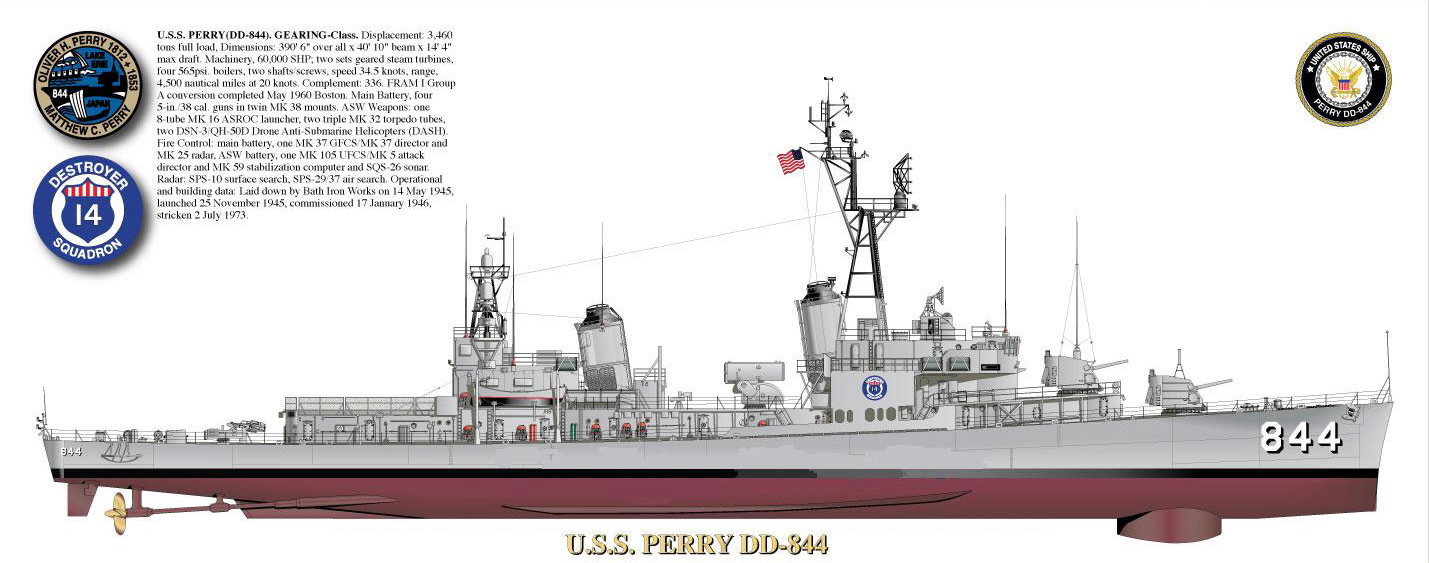
Anyway, I only mention all of this because it reminds me of what has happened to the US Navy destroyer ships. I was a destroyer sailor for 8 years back in the 1960s and 1970s. I served on destroyers built back during and immediately after WW2. They were approximately 390 feet long. They had a crew of about 270 “men” if I remember correctly. They show a complement of 336, but I don’t think any ship I served on had anywhere near that many. Here is a drawing of the first ship I served on:
And here is an oil painting of me when I was 20 years old aboard this ship:

For years destroyers remained approximately the same size. Then, like the Ford T-bird, they changed into a much larger size. Again, I don’t understand the thinking and I don’t agree with it. In doing this a destroyer ship is no longer a destroyer ship. It becomes something else as did the T-bird. Anyway, the newest US Navy destroyers, the Zumwalt class, are 610 feet long … over 1 1/2 times as long as the destroyers I served on. That makes them as large or even larger than ships which have always been larger than destroyers. I am talking about Cruisers. Of course, they are very “high tech” and this means that the crew size is greatly reduced … down to about half of their predecessors. Being so large and so high tech they also cost a small fortune … over $3 billion apiece.


Well, it doesn’t matter what I think I reckon. They don’t consult me anyway. But these ships are sure a whole lot different than traditional destroyers. I sure hope none of them ever get destroyed in warfare as that is a whole lot of money to have sinking to the bottom of the ocean. Destroyers traditionally were considered “expendable” as they were a cheap ship to build in comparison to the “capital ships” like cruisers, battleships and aircraft carriers. Destroyer hulls were made out of 3/8 inch thick steel and had no armor plating whatsoever. This means they were easy to damage and destroy although some have been remarkable in sustaining battle damage and surviving. Some have had to travel in reverse (backing up) to make it back to port for repair. If they would have tried to go forward they would have had serious flooding issues which they could not control. Anyway, because of the thin steel construction they were often referred to as “tin cans”. Those who served on destroyers were known as “tin can sailors” as well as destroyermen. These new Zumwalt class destroyers have 4 inch thick armor plating so they are no longer “tin cans”. My how times have changed! Destroyers larger and more costly than cruisers. And because of their huge size they can’t go to some of the places a traditional destroyer could go.
Yep, there is no more “tin can navy”. I guess I am glad I served when I did. I can honestly say I was a “tin can sailor”. Here are some links to tin can navy & sailor websites:
http://navy.togetherweserved.com/
And here are a couple of videos which surely brings back memories for me.
And here is a video showing newer destroyers than those of my time. Most certainly they are considerably different than those of my time in the navy. By that I mean most of the difference is “higher technology”.
I think one of the most difficult things for a sailor to go thru is to see the demise of ships he has served on. Many of them end up being purposely sunk either as a test of weaponry upon a ship or for the purpose of creating an aritificial reef underwater. The expected life of a destroyer is about 30 years while an aircraft carrier is 50 years. At 30 years that 3/8 inch thick steel hull of a destroyer is often in pretty bad condition with considerable thin areas which are a great concern. Here is a picture of one of the ships I served on just before it was sunk. Remember, you can click on these images to see them in their own window and usually much larger. This particular one is will appear extremely large and you can see much detail.

As you can see all the guns have been removed as well as the ASROC launcher and some other stuff.
Lastly, here is a video of the sinking of a Canadian destroyer:
In this video you can see the awesome power of the modern day torpedoes. Ships don’t stand much of a chance if they get entangled with these dreadful weapons.
Leave a comment
Comments 0